Lawn preparation and laying process

Lawn preparation and laying process

Preparation is key to a great looking lawn. The original Bills Turf site made this a major selling point, and for good reason: poor groundwork leads to poor results.

Lawn preparation and laying process

The wrong way

One common shortcut is to rotavate an old lawn or spread topsoil over it and then lay the new turf on top. This is bad practice because the ground will often sink later, leaving an uneven lawn and weak establishment.

The right way

The old lawn should be cut out below root level, removed properly and the area rebuilt from there. That gives the new turf a stable, level base and a much better chance of long-term success.

Our 8-step preparation process

The original site documented the full method because it mattered so much to the final finish. The exact detail may vary from garden to garden, but the overall process remains consistent.

  1. Mark out the area to be turfed.
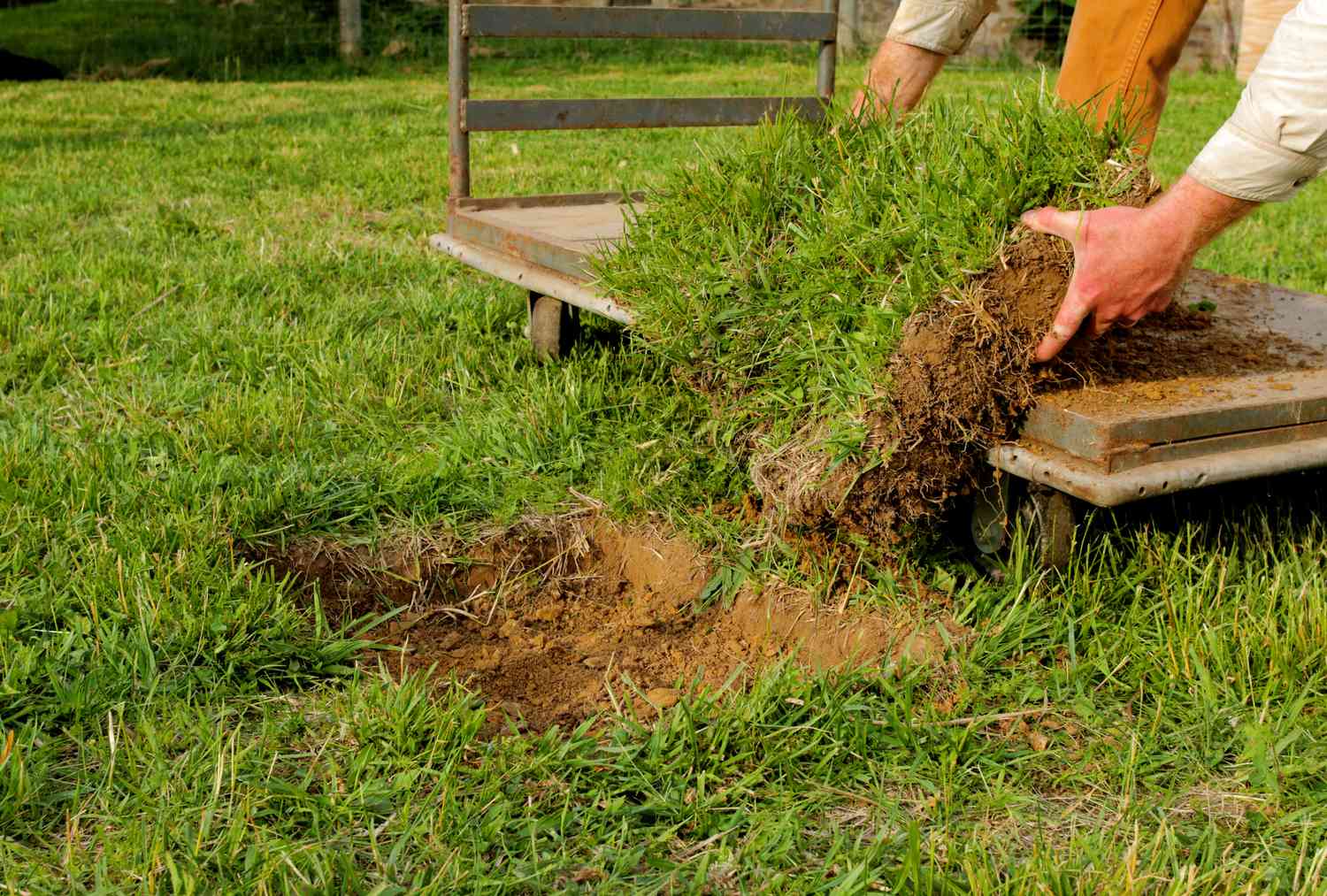
  2. Cut and remove the old lawn below root level and clear the site.
  3. Re-grade low areas and add suitable soil where needed.
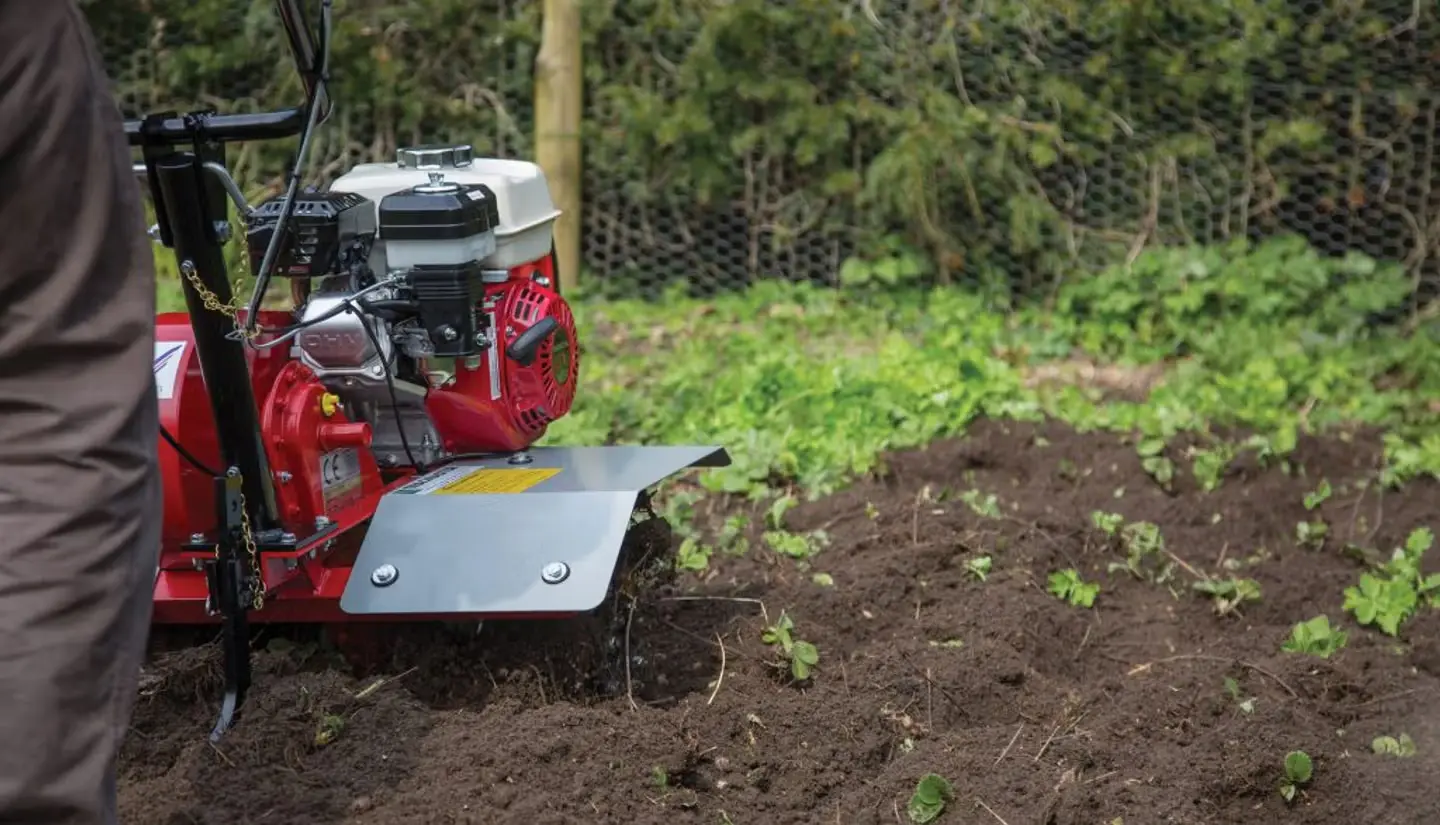
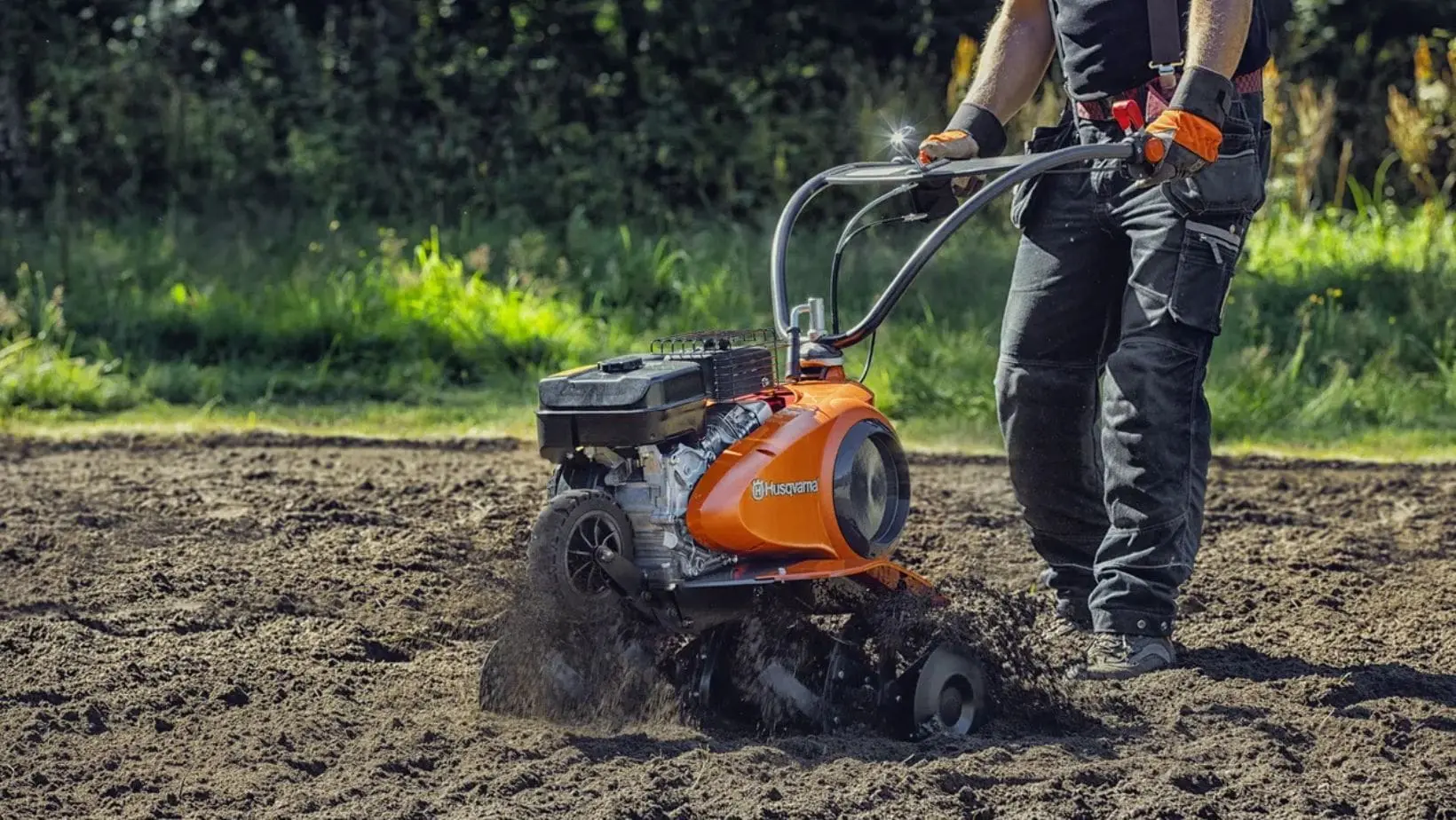
  4. Rotavate and break up the ground thoroughly.
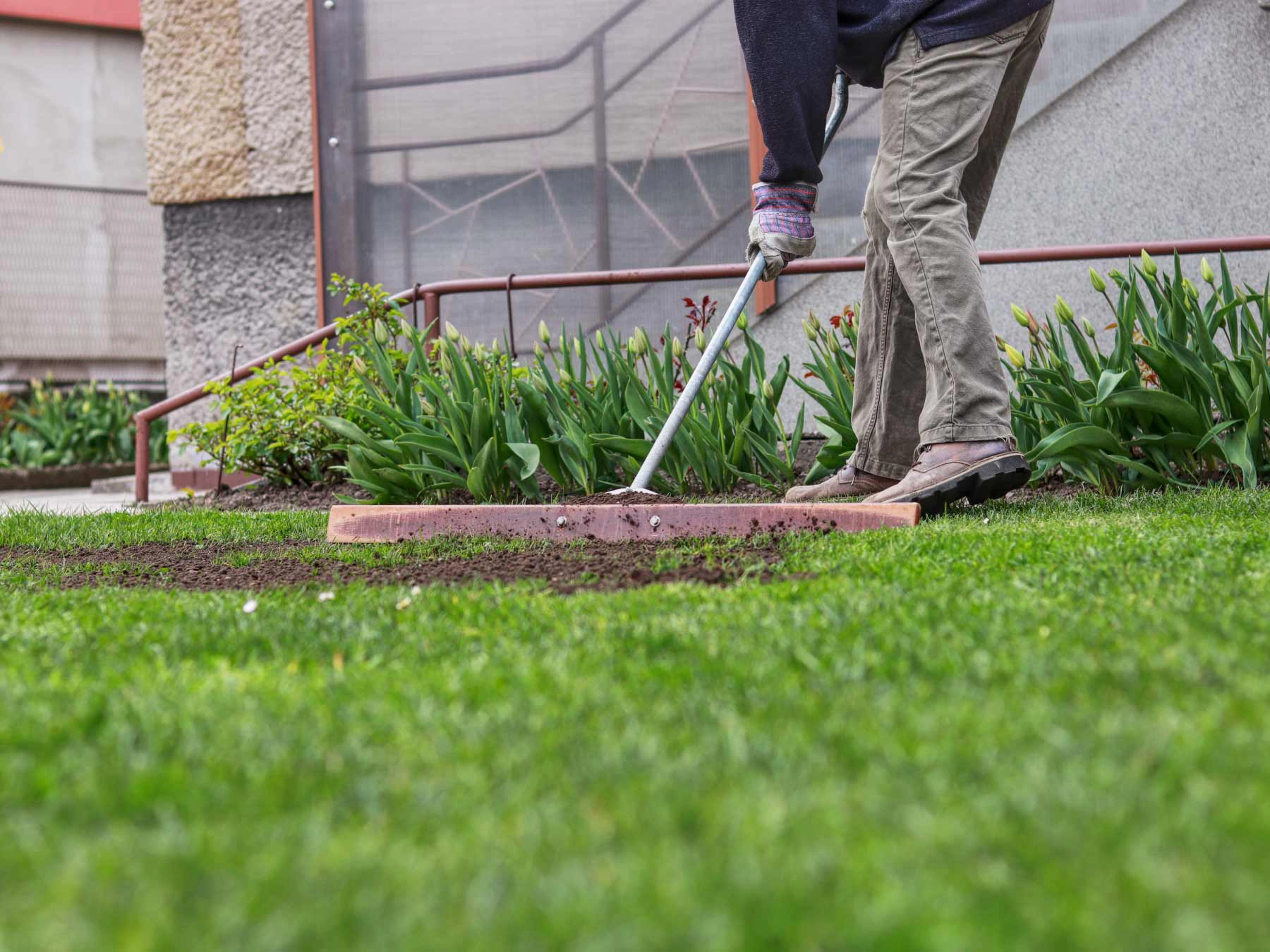
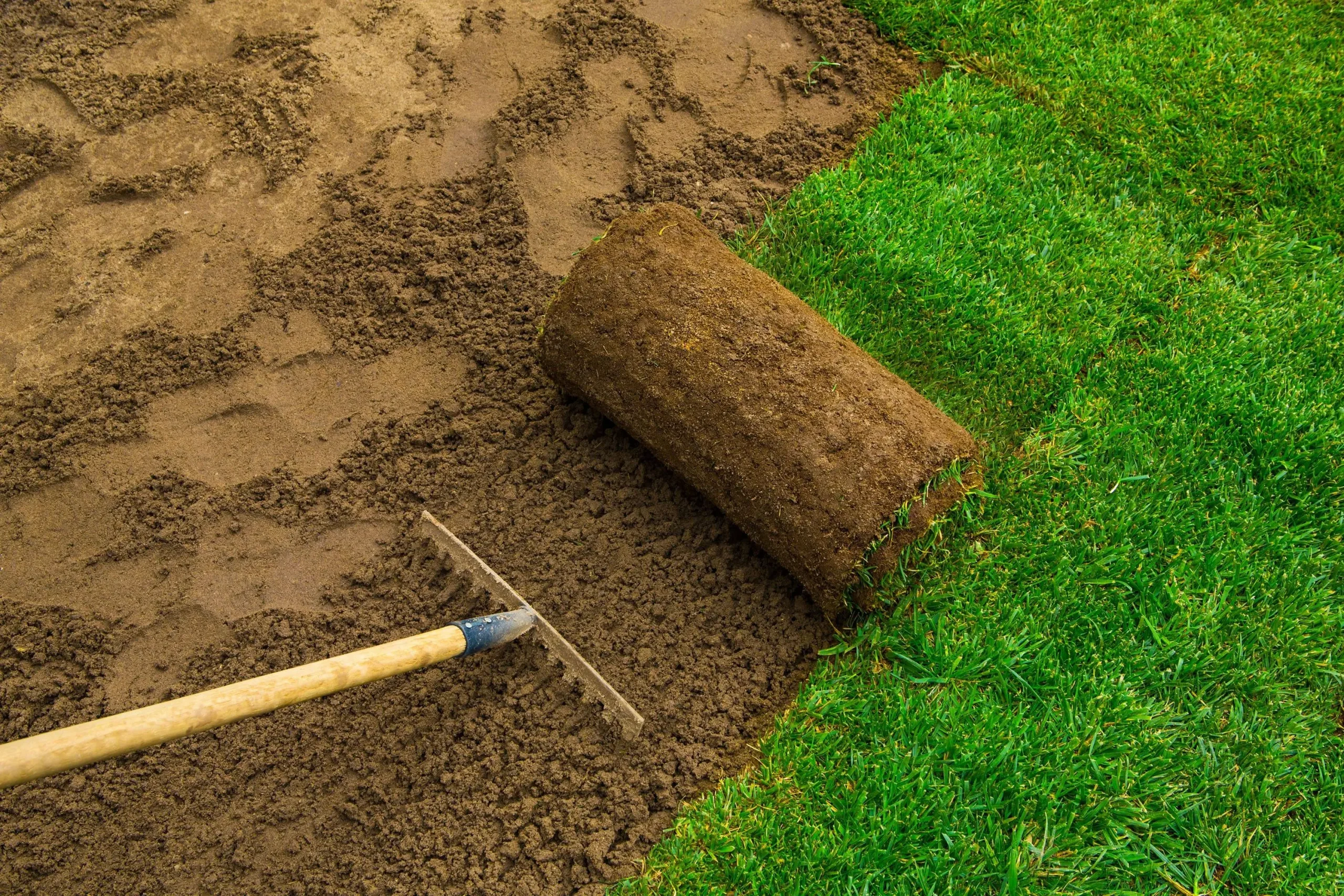
  5. Rake over carefully to create an even level.
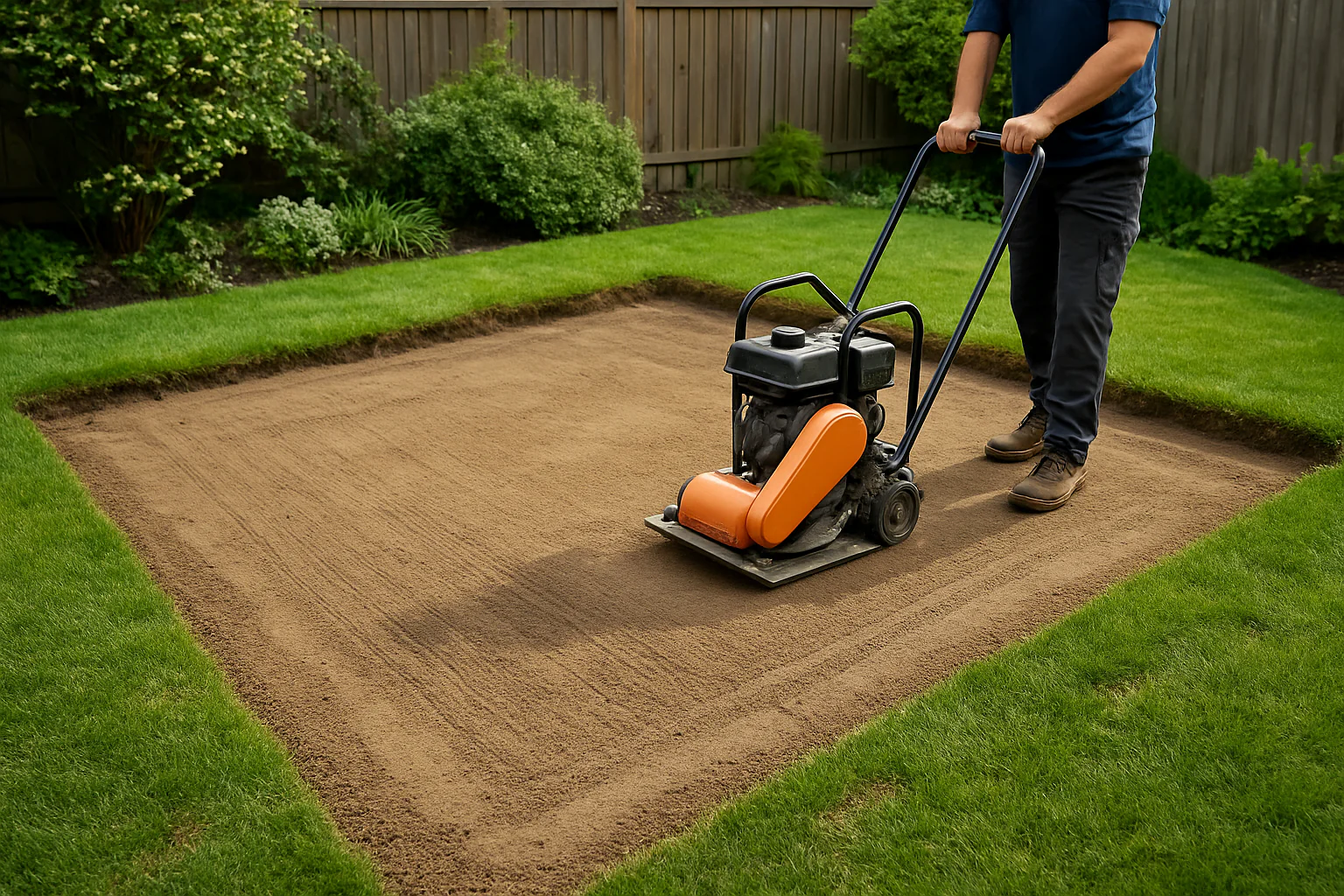
  6. Firm the area so it is stable underfoot without becoming compacted.
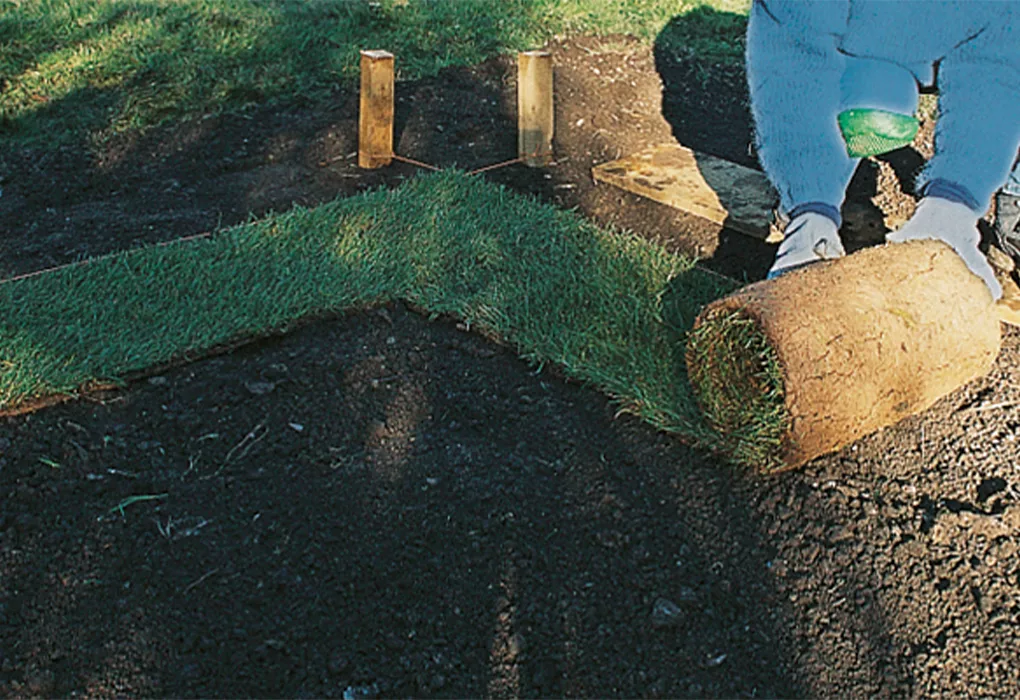
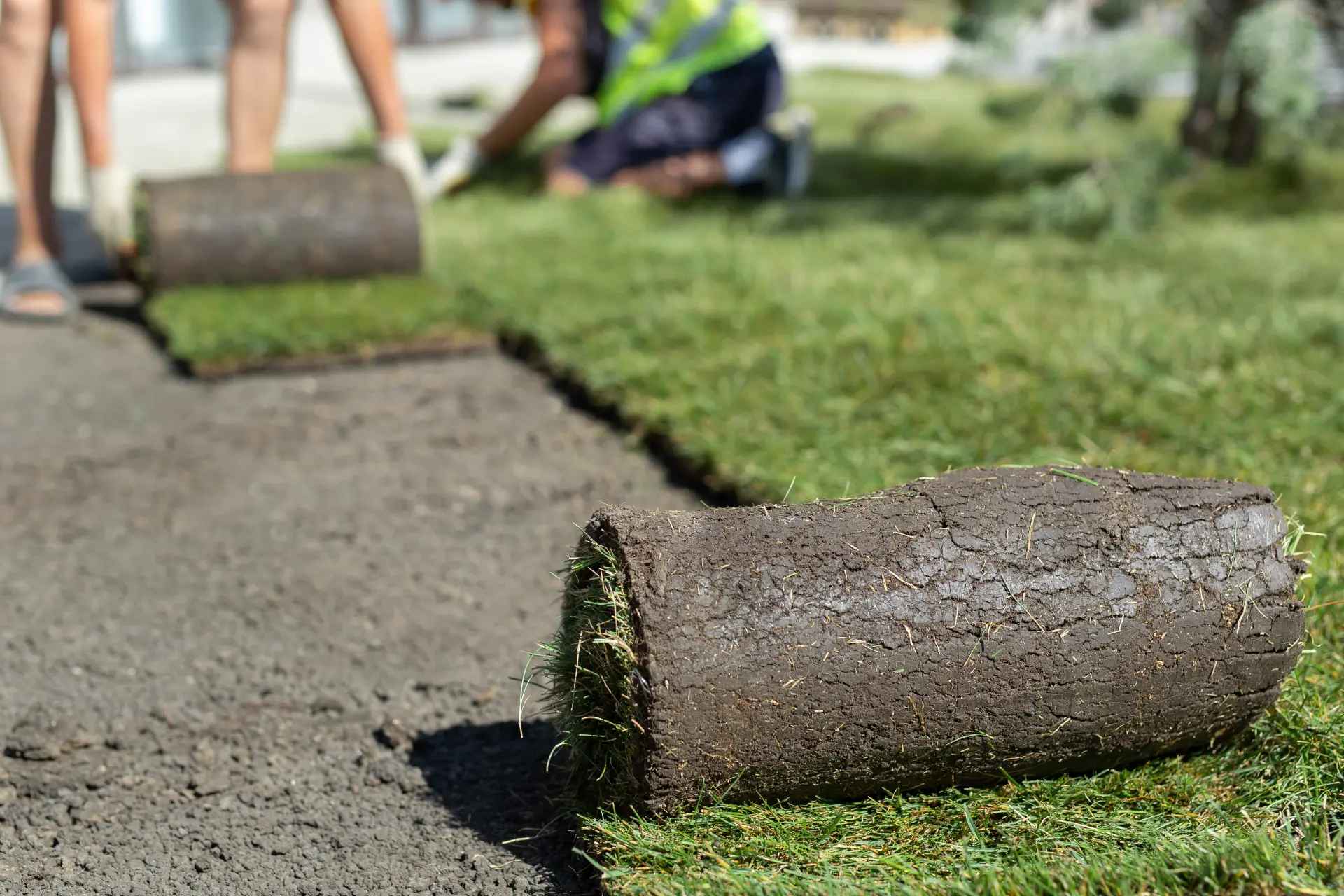
  7. Lay the turf tightly and neatly to avoid gaps.
  8. Brush in joints, water properly and give clear aftercare guidance.

Every stage supports the next one. The goal is not just to make the lawn look good on the day it is laid, but to help it establish evenly and stay attractive once the initial watering period is over.


Planning a full lawn replacement?

Tell us the garden size and what is there now. We can advise on preparation requirements and give you a realistic starting quote.

Step by step

Preparation stages at a glance

1. Mark out the area

1. Mark out the area

Start with clear edges and dimensions so the whole job is planned accurately.

2. Remove the old lawn

2. Remove the old lawn

Cut out the old turf below root level rather than burying problems underneath.

3. Re-grade low spots

3. Re-grade low spots

Correct dips and uneven areas so the lawn drains and sits properly.

4. Rotavate the ground

4. Rotavate the ground

Break up the soil thoroughly to create a workable surface.

5. Rake level

5. Rake level

Fine raking removes lumps and helps create a neat final grade.

6. Firm the base

6. Firm the base

The area should feel stable underfoot before any turf is rolled out.

7. Lay the turf tightly

7. Lay the turf tightly

Tight, tidy joints help the lawn knit together evenly.

8. Water and advise

8. Water and advise

Good aftercare in the early days is essential for a strong, even establishment.

Google reviews

Homeowners trust Bills Turf to get the groundwork right

We selected six reviews that best reflect the things people care about before booking: preparation, punctuality, communication, aftercare and value.

Google review • a year ago

“Recently turfed an area of our garden in London. Easy to arrange, Bill and the team arrived exactly on time, everything completed perfectly, ground was prepared and levelled, garden and house left clean and the grass looks great. Highly recommend - friendly, efficient and a great job - excellent all round.”